INVITED SPEAKERS
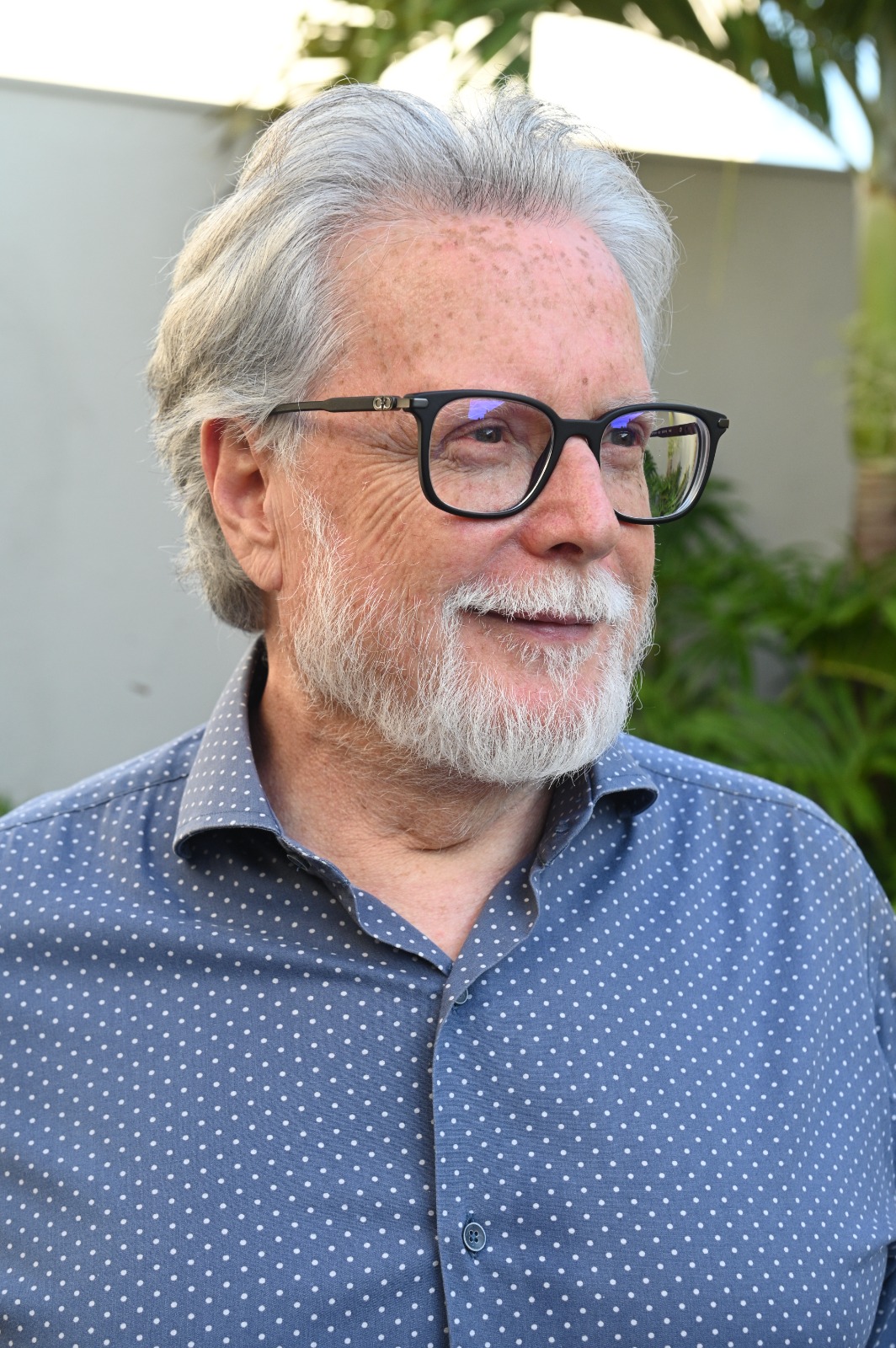
Eugenio Luigi Iorio
is an Italian physician, biochemist, and internationally recognized researcher whose work has focused on redox biology, integrative medicine, and healthy aging. He earned his medical degree and specialized in biochemistry and clinical chemistry before completing a PhD in biochemical sciences. Over the course of his career, he has combined academic research, clinical practice, and scientific leadership across Europe, Asia, and South America.
Eugenio Luigi Iorio: He currently teaches “Biology of Aging” within the postgraduate Health Science program at the Federal University of Uberlândia in Brazil and coordinates the postgraduate course in Integrative Medicine at UNIUBE University, also located in Uberlândia, Minas Gerais. His academic and institutional activities reflect a strong interdisciplinary approach that integrates molecular biology, preventive medicine, and clinical innovation.
Professor Iorio serves as President of the International Observatory of Oxidative Stress, an organization involving collaborations among Italy, Greece, Brazil, and Japan. He is also President of the World Academy of Integrative Medicine (WACIM) in Brazil and the Popular University of Lifestyle Medicine in Ascea, Italy. In addition, he is a board member of the Italian Society of Multispecialty Regenerative Medicine and Surgery (SICRI). Internationally, he acts as Academic Advisor for the Wismerll Redox Center in Tokyo and Scientific Director of the Conceito Saude Clinic in Uberlândia.
A prolific scientific author, he has published more than 100 peer-reviewed articles and several books. He is Editor-in-Chief of Acupuncture & Electrotherapeutic Research / International Journal of Integrated Medicine published by Sage. Throughout his career, he has participated in more than 700 scientific events in approximately 50 countries as a speaker, lecturer, or organizer. He also collaborated for short periods with Nobel Prize laureates Louis J. Ignarro and Luc Montagnier.
His principal research area is the study of the redox system in living organisms. Within this field, he contributed to the conceptual development of “redoxomics,” expanding the understanding of oxidative processes beyond the traditional study of oxidized proteins. His research has extended into autism spectrum disorders, oncology, neuroscience, precision medicine, and aesthetic medicine, including work on lipidomics, leukemia, neurogenesis, glaucoma, and the proteomics of cellulite. His scientific vision promotes a comprehensive and evidence-oriented model of integrative medicine.